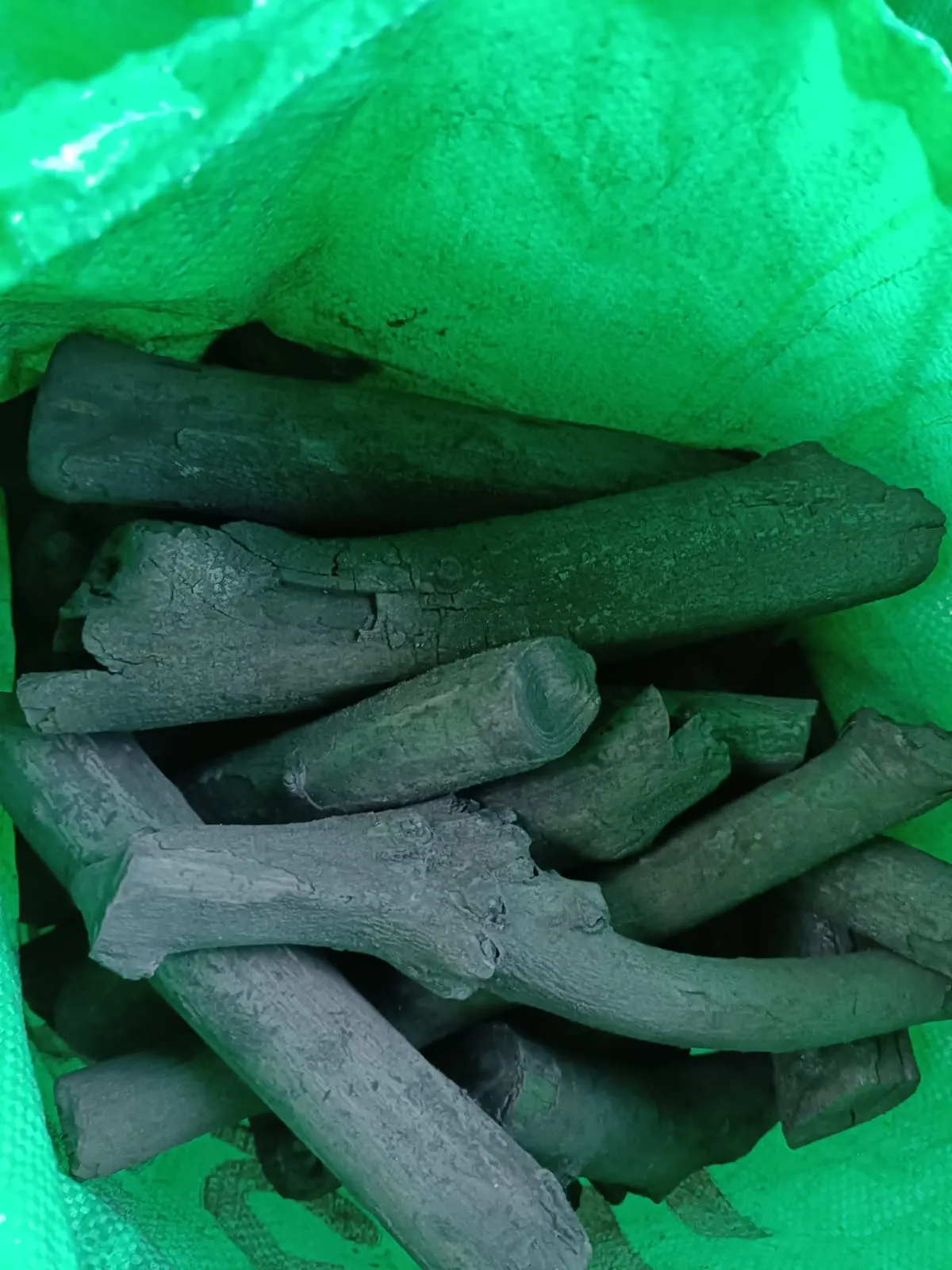
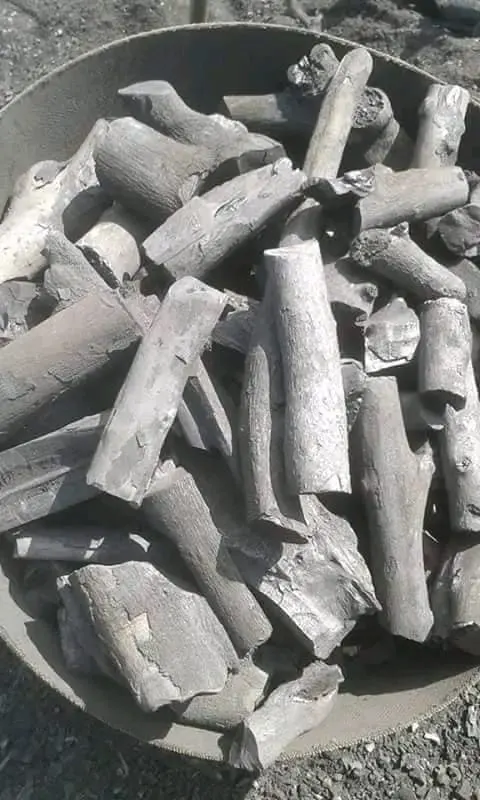
Charcoal and coal are often confused because they share a name and a colour, but they are completely different in origin, formation and use.
Origin and formation
Charcoal is made by people from wood in hours or days through carbonisation. Coal is a sedimentary rock formed underground over millions of years from ancient plant matter under heat and pressure, and it is mined.
Quick comparison
| Factor | Charcoal | Coal |
|---|---|---|
| Source | Wood | Mines |
| Formation time | Hours to days | Millions of years |
| Weight | Light and porous | Heavy and dense |
| Typical use | Grilling, shisha, some industries | Power plants, steelmaking |
| Sulphur | Usually very low | Can be high |
Why charcoal is used for cooking
It burns with relatively clean heat and no strong odours, and typically lacks the sulphur and impurities found in many coals. Coal should never be used for grilling or shisha.
Is charcoal environmentally friendly?
When produced from responsibly sourced wood, pruning waste and old orchards, charcoal is a renewable option compared with fossil fuels — provided carbonisation is done well to reduce smoke.
Bottom line
For restaurants, cafés and homes, natural charcoal is the right fuel. Explore our charcoal range.